The 8,000-Year Tradition of Qvevri Winemaking
Our Niniani qvevri wines are handcrafted in Georgia's Kakheti region using traditional methods, indigenous grapes, and aging in clay qvevri buried underground. Each vintage is carefully harvested, naturally fermented, and bottled with full certification and EU-compliant labeling before being exported to Germany.
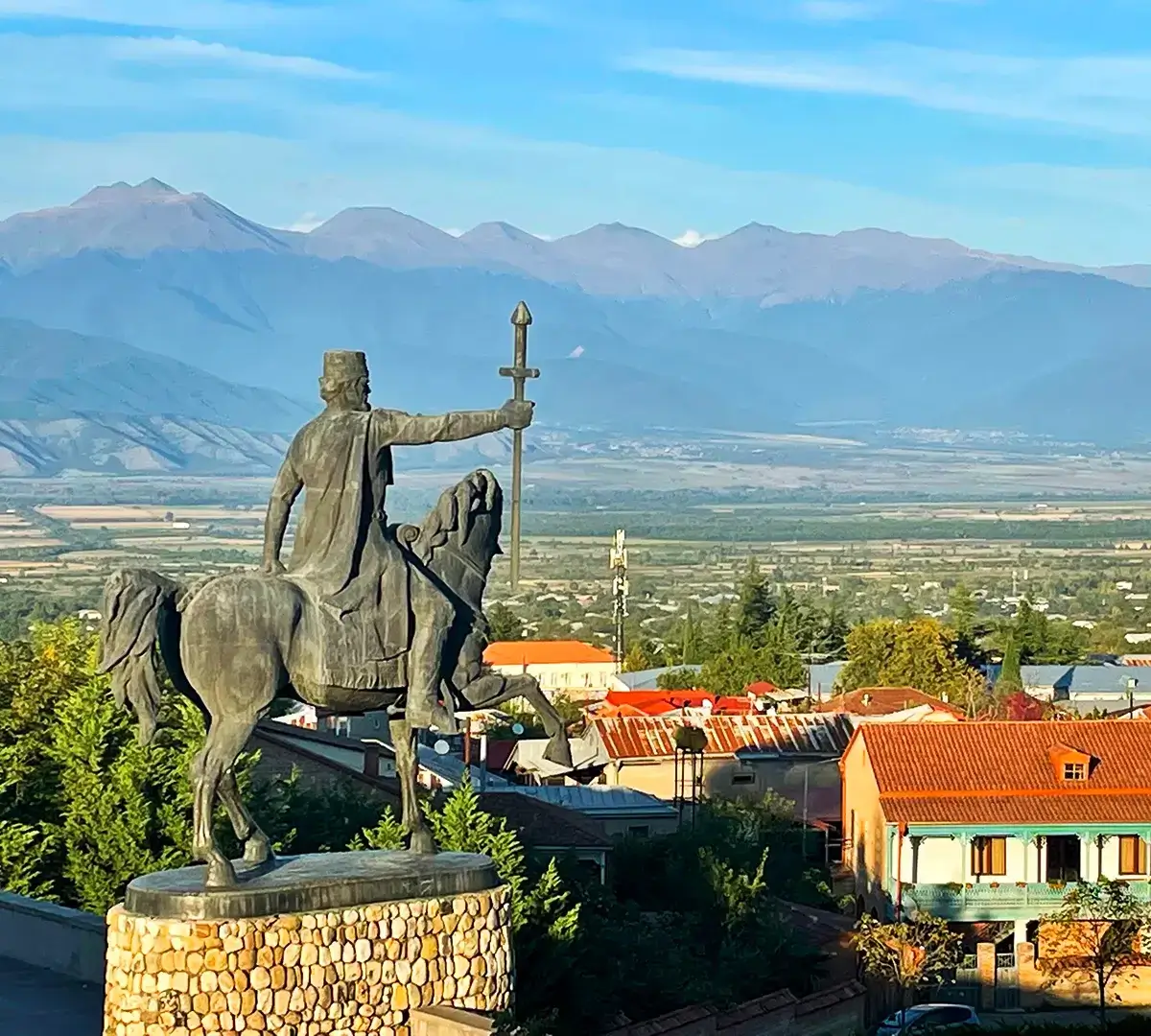
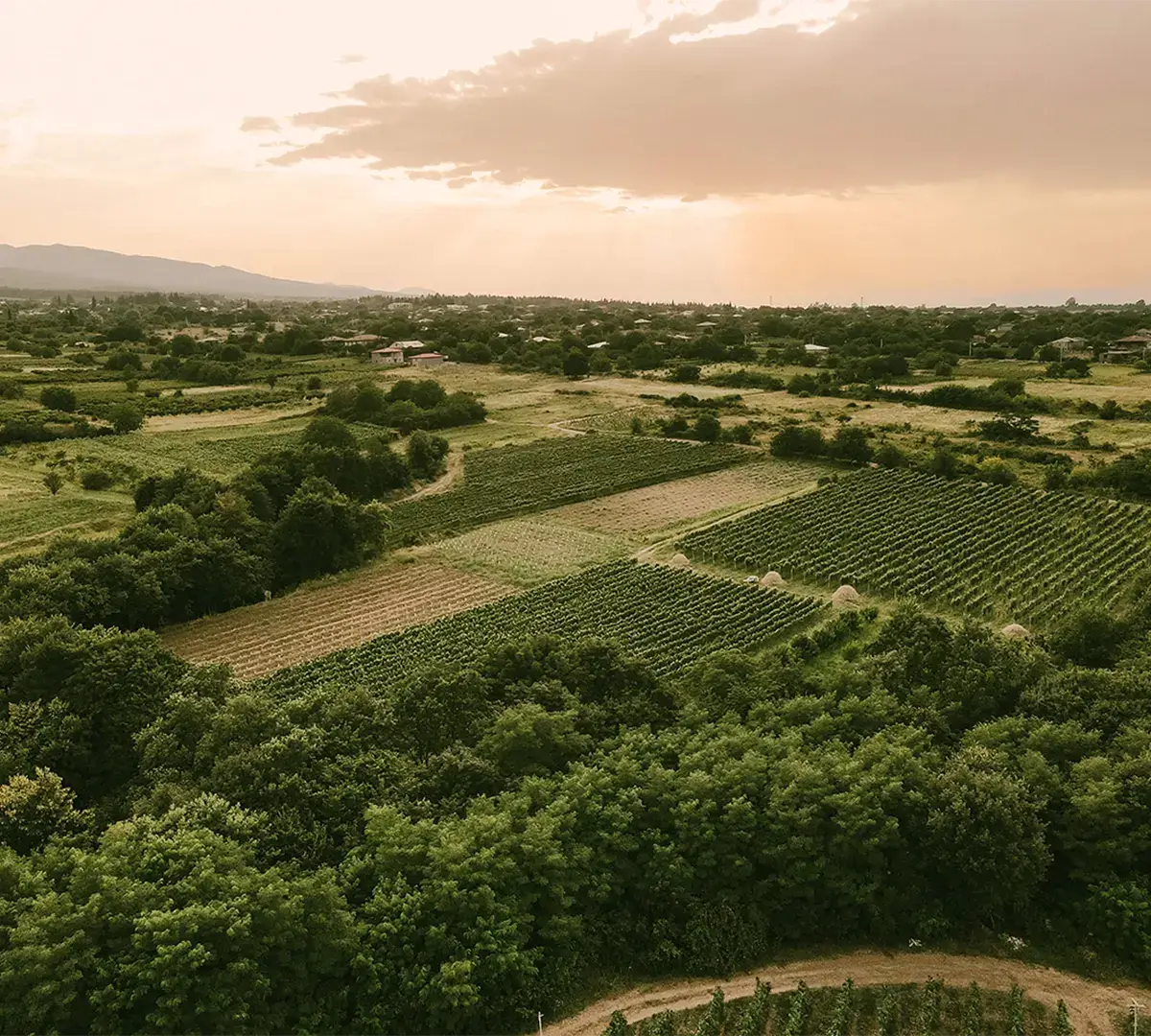
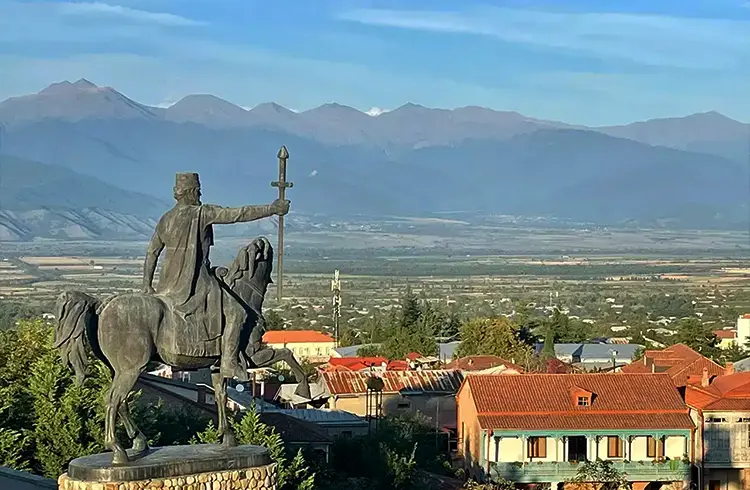
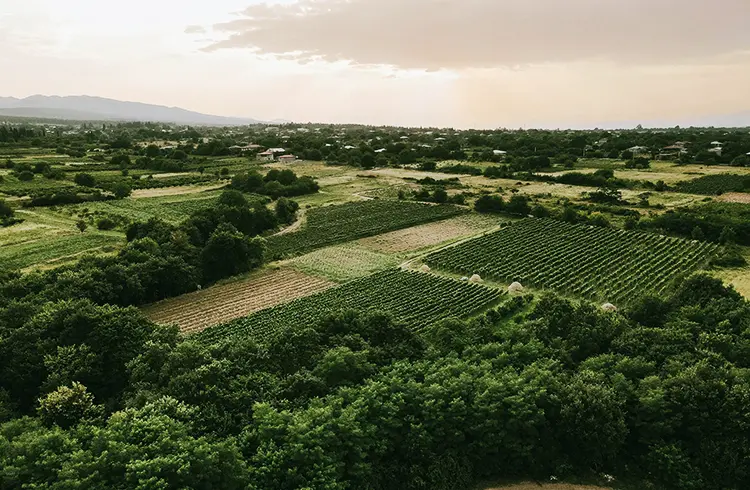
Our vineyards are located in eastern Georgia, in the Kakheti region, in the villages of Kondoli, Napareuli, and Tsinandali in the Telavi district. Our vineyards are cared for throughout the year by specially selected local farmers - whose families have centuries-old traditions of vine cultivation and winemaking. With our intensive control and monitoring, they help us in the wine production process.
What sets Georgia apart is its unique winemaking method using qvevri - large, egg-shaped clay vessels buried underground. This technique, passed down through generations, is still in use today and was recognized by UNESCO as an Intangible Cultural Heritage of Humanity. The qvevri method allows wine to ferment and age naturally, creating a rich, authentic taste deeply connected to the earth and tradition.
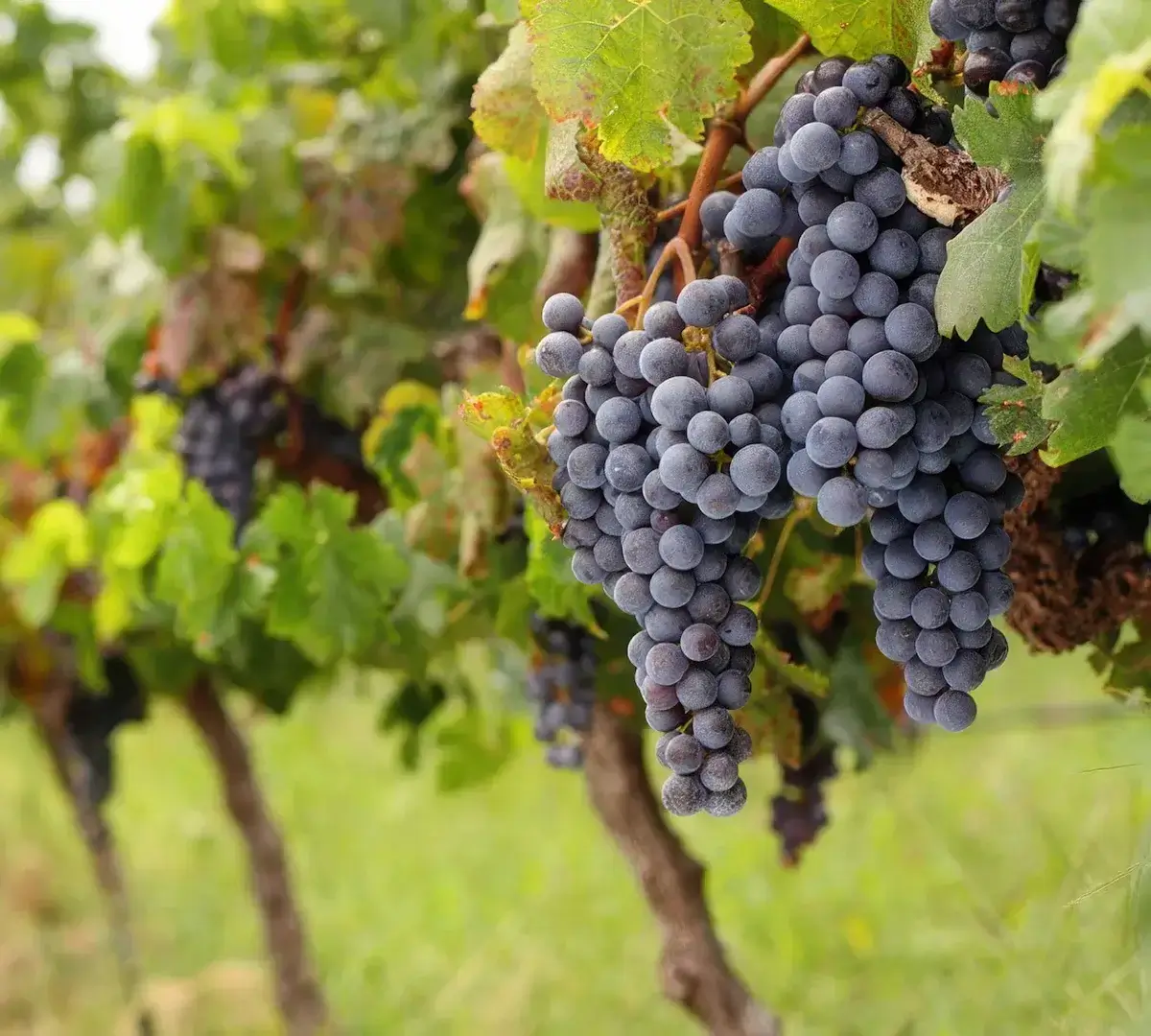
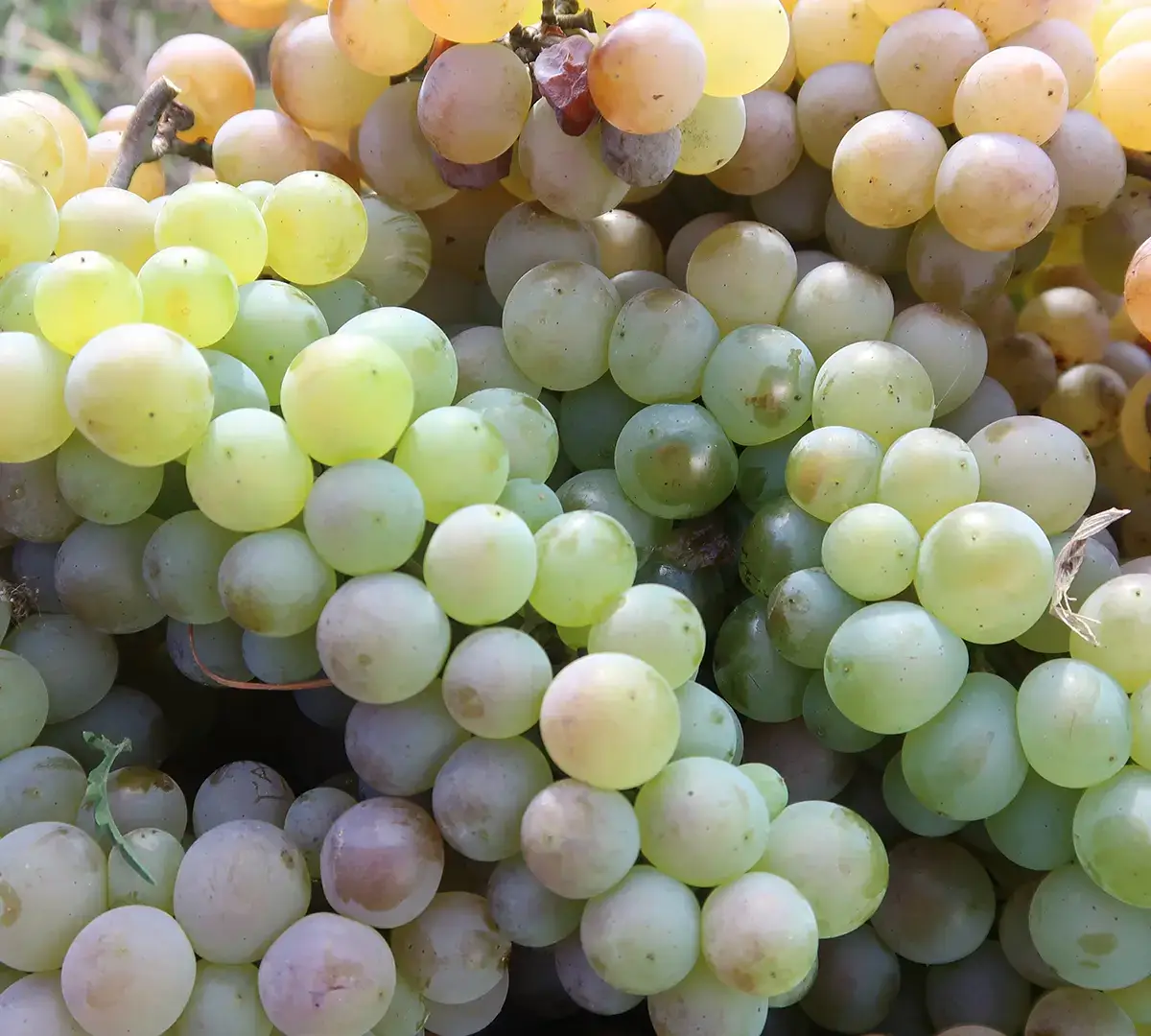
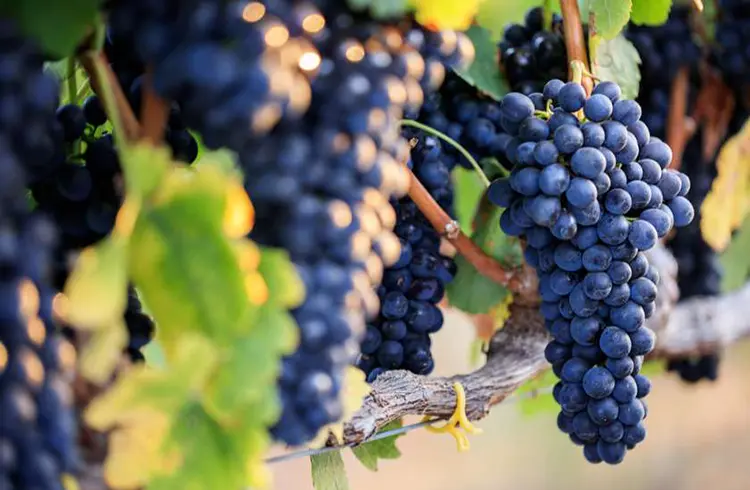
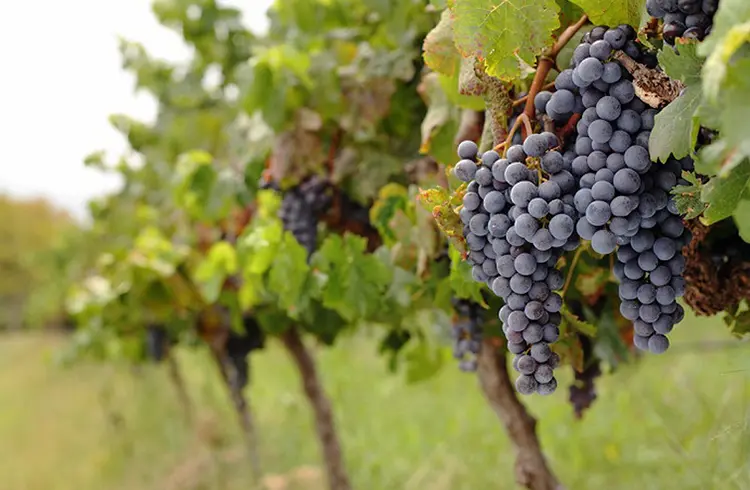
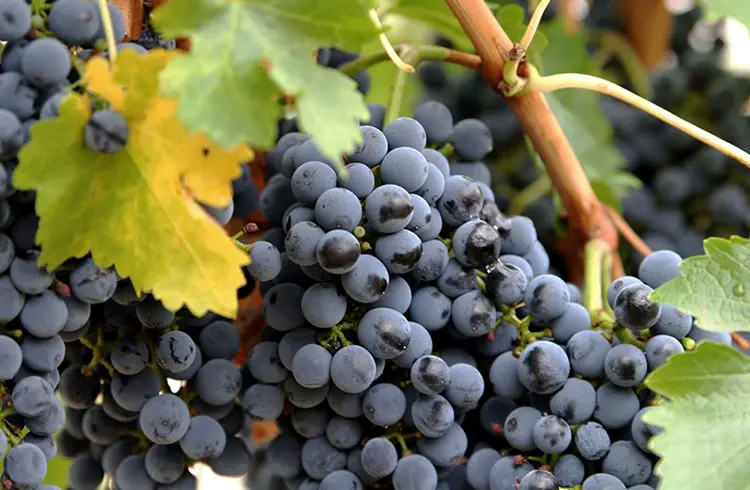
For our wine "Niniani", we use the Georgian indigenous red grape variety called Saperavi for red wine and Rkatsiteli for white/amber wine. The name Saperavi reflects a distinctive characteristic of the grape - it comes from the Georgian word meaning "to color," referring to the grape's intensely dark, nearly black skin, which is rich in natural pigments. Because of this deep color, Saperavi wine is often referred to in Georgia as "black wine."
Among red grape varieties worldwide, Saperavi is considered highly valuable due to its exceptional agricultural and winemaking qualities - such as producing high-quality wine, being high-yielding, frost-resistant, adaptable to different environments, and rich in both sugar and pigment. For these reasons, experts often regard Saperavi as one of the finest grape varieties in the world for crafting red wine.
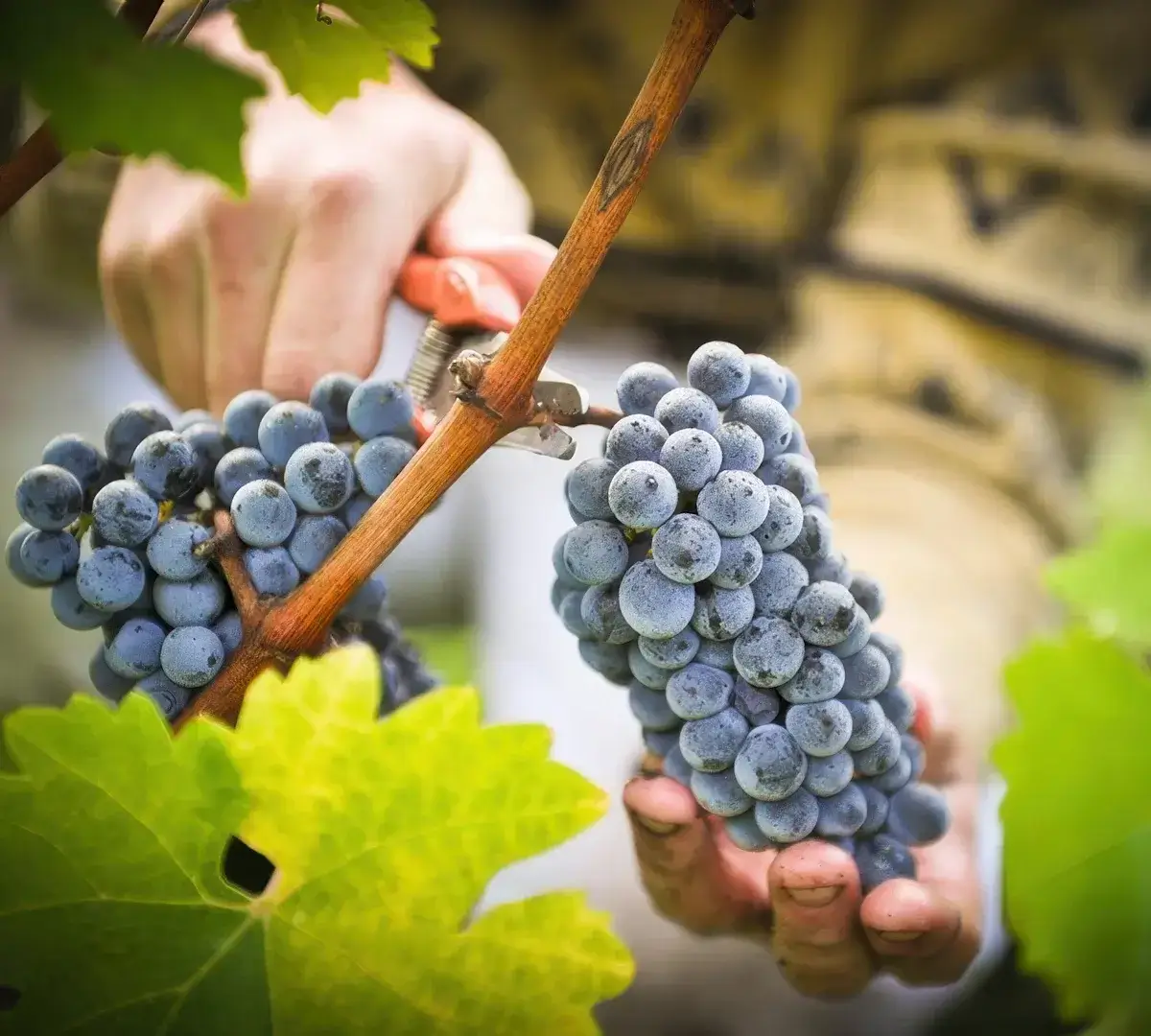
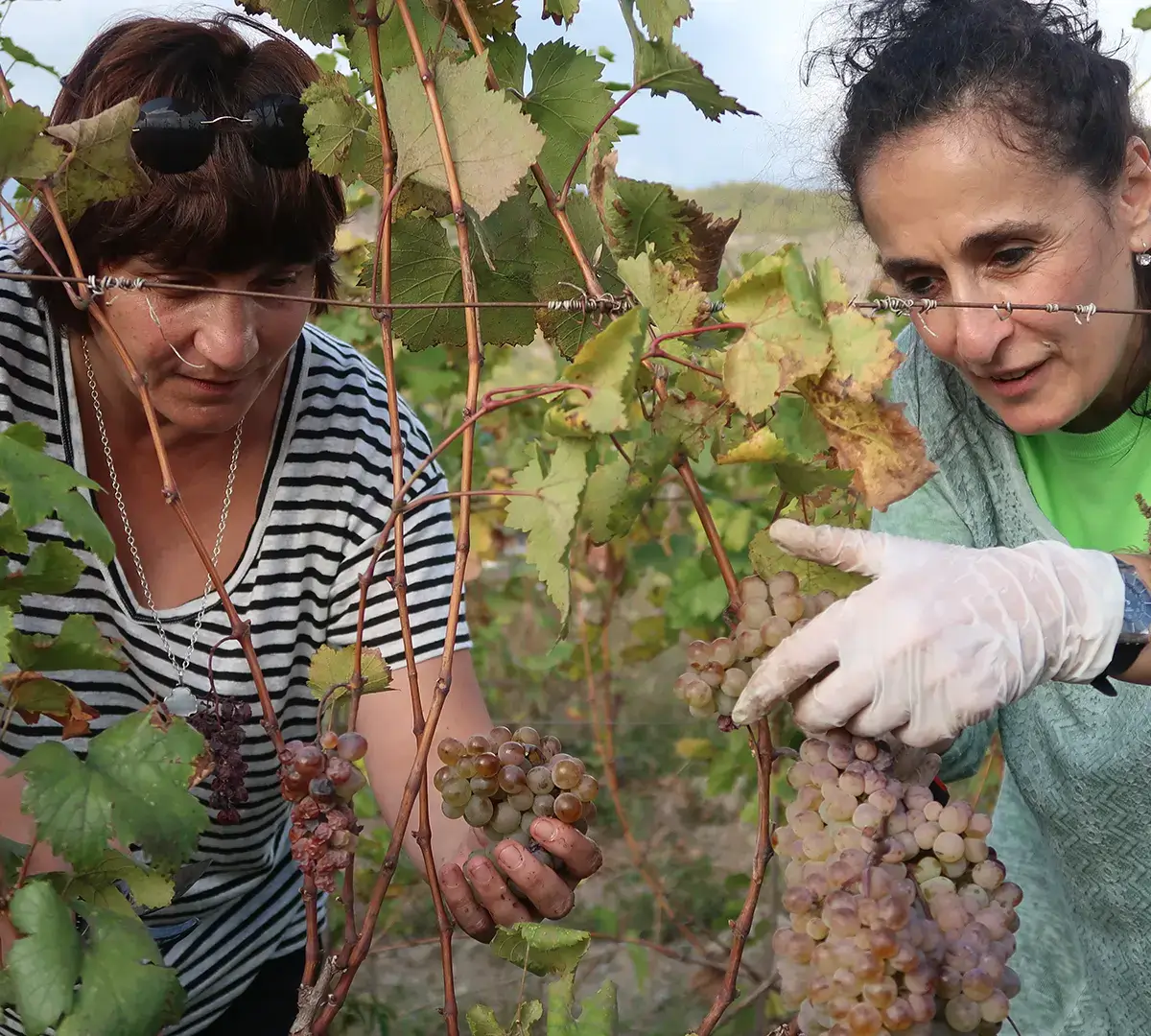
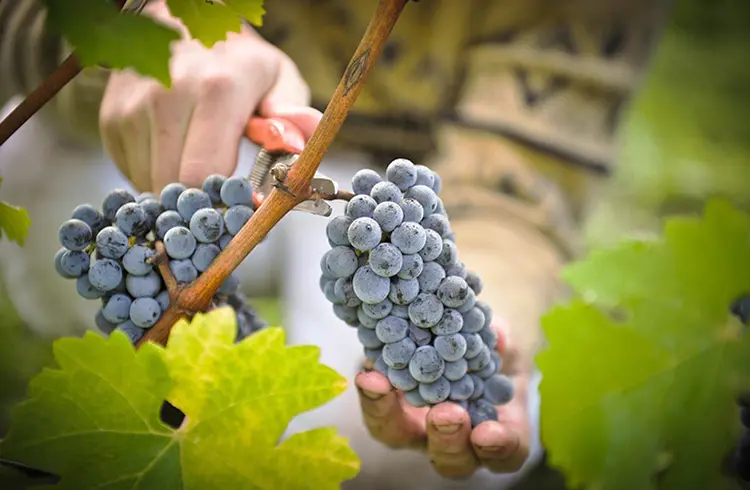
In Kakheti, Georgia's renowned wine region, grapes are typically harvested in autumn - most often in September.
The harvest is a special moment for us: a celebration of nature's rhythm and a time of joy and togetherness with family and friends. The process culminates in pressing the grapes, filling the qvevri, and sharing a traditional Georgian feast with music and song.
The freshly picked grapes are pressed in a family-owned marani (wine cellar) in the Telavi district, at the foot of the Caucasus Mountains. The grape juice - together with skins and seeds - is placed into historic clay qvevri, buried deep underground in a traditional marani beneath the home of our local partner family.
To ensure proper fermentation, the must is stirred several times per day with a long wooden paddle during the early stages. Natural fermentation typically lasts around two to three weeks.
After fermentation, the qvevri are sealed hermetically and remain closed for several months, allowing the young wine to rest and develop naturally with the skins and seeds, without interference.
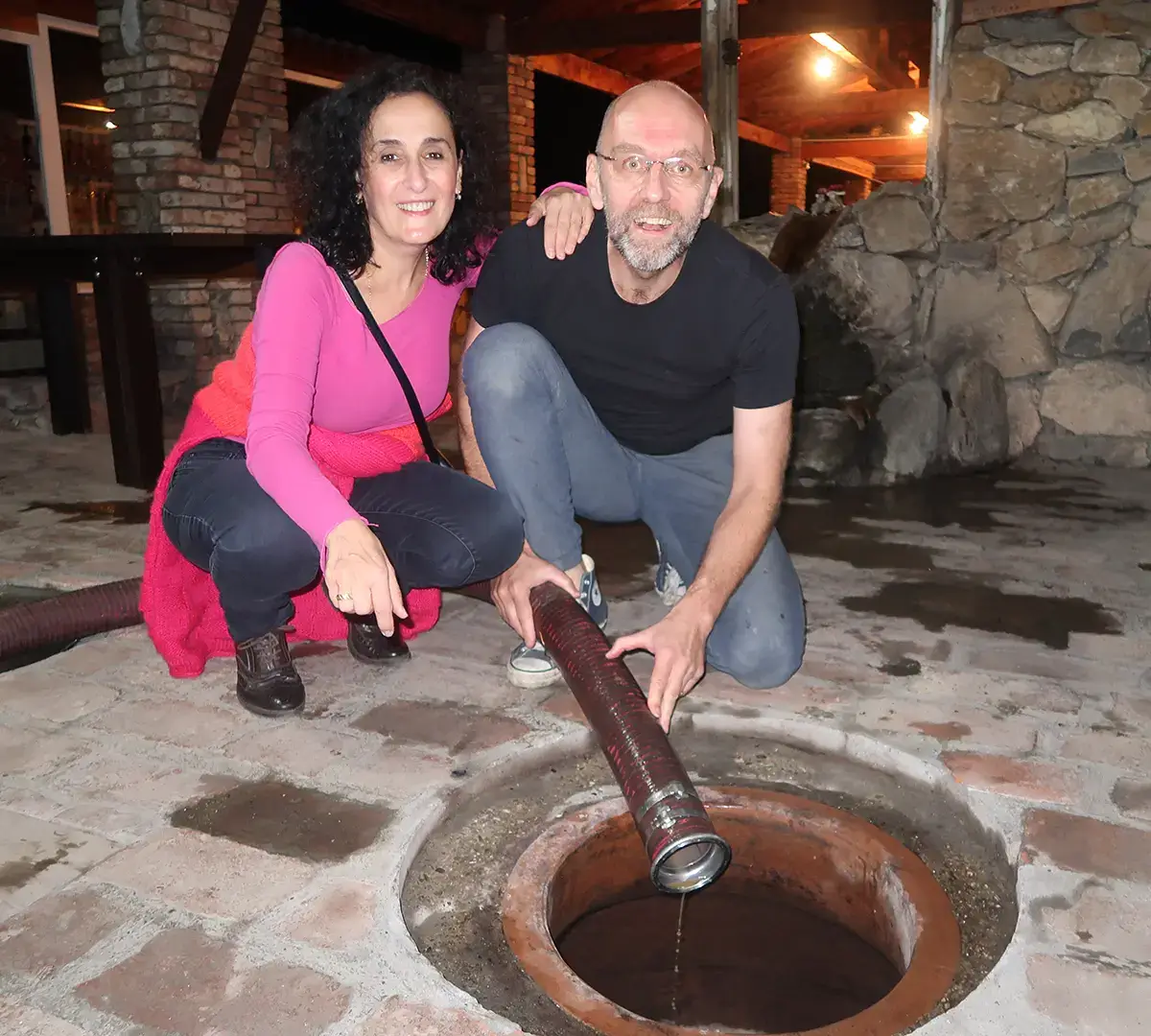
When the qvevri are reopened, the wine is carefully separated from the skins and seeds settled at the bottom. It is then transferred into smaller, clean qvevri, sealed again, and left for a few more months to continue its natural clarification.
In late summer, the qvevri are opened once more and the wine is ready to be bottled. For us, opening the qvevri - like the harvest itself - remains a meaningful ritual shared with the people we love.
In order to bottle and sell our wine - and to obtain the necessary permissions for export to Germany and the European Union - we conduct a full chemical and laboratory analysis through the National Wine Agency of Georgia, a government regulatory body.
The analysis is carried out in accordance with national and international standards, including those of the European Union. Based on the laboratory results, the characteristics and quality indicators of our wine are confirmed. We are then officially granted the certification and legal authorization to bottle, label, and export our wine.
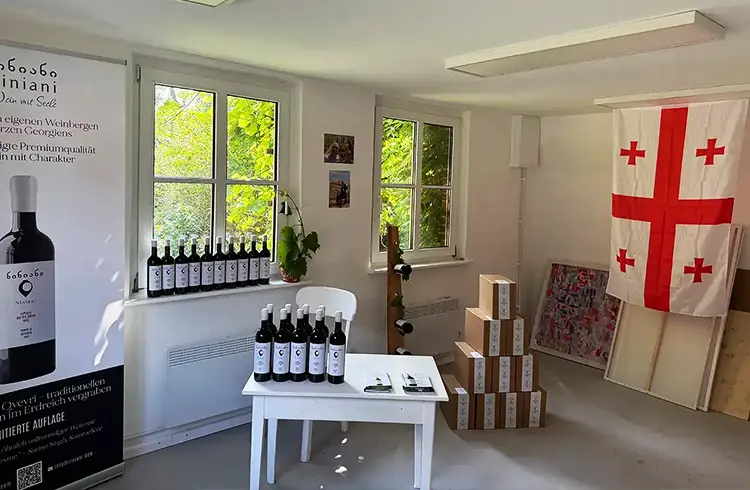
Our wine is produced, bottled, and exported under EMC, LLC (Evaluation and Management Consulting), a company established in 2008 and based in Georgia. In Germany and the EU, Sannecke GmbH acts as our official partner for sales and distribution. For more information about EMC, please find https://emc-int.com.
As for the selling it in Germany and in EU, company of my husband - Sannecke GmbH will be your official partner. For more information please see https://sannecke.com.
For bottling each vintage, we choose a manual bottling method - just as we do throughout every stage of the process described above. Together with our local partner family and additional helpers, we personally bottled the wine by hand. After corking the bottles, to ensure the long-term preservation and airtight sealing of the wine, we also applied a special wax coating - hand-dipped wax caps over the corks - adding both extra protection and a traditional touch to each bottle.
The concept, design, and production of the wine labels for our bottled wine were all carried out by our family members. Specifically, the idea and design were created by our daughter, while the technical execution was done by my brother, a graphic designer. The labels include essential information such as the alcohol content, harvest year, bottling date, and more. Additionally, in compliance with European Union regulations, the label includes a QR code that provides further details about the wine - s characteristics and composition.
After the export and transportation of our wine from Georgia to Germany, it was stored in a specially prepared wine cellar and storage space located in our historic family house in a village in Lower Saxony. Our cellar maintains the optimal climate and stable temperature year-round - both in winter and summer - ensuring ideal conditions for wine preservation. When orders are fulfilled, shipping is arranged directly from this cellar to the buyer.